A Beautiful Pool Is Not a Brand StoryHow Boutique Hotels Become Memorable
At a Glance
- The commodity trap: A pool, a view, a spa — every luxury property has them, and travelers can swipe past a thousand
- The real asset: The specific, true story only this hotel can tell — the founder, the land, the local hands
- Where it lives: Not in the amenity list, but in the welcome note, the website copy, the menu, the magazine feature
- Why it books: Amenities fill a night; stories fill a memory — and memories drive repeat visits and referrals
- The proof: The hotels guests remember for decades are the ones with a story, not the ones with the biggest pool
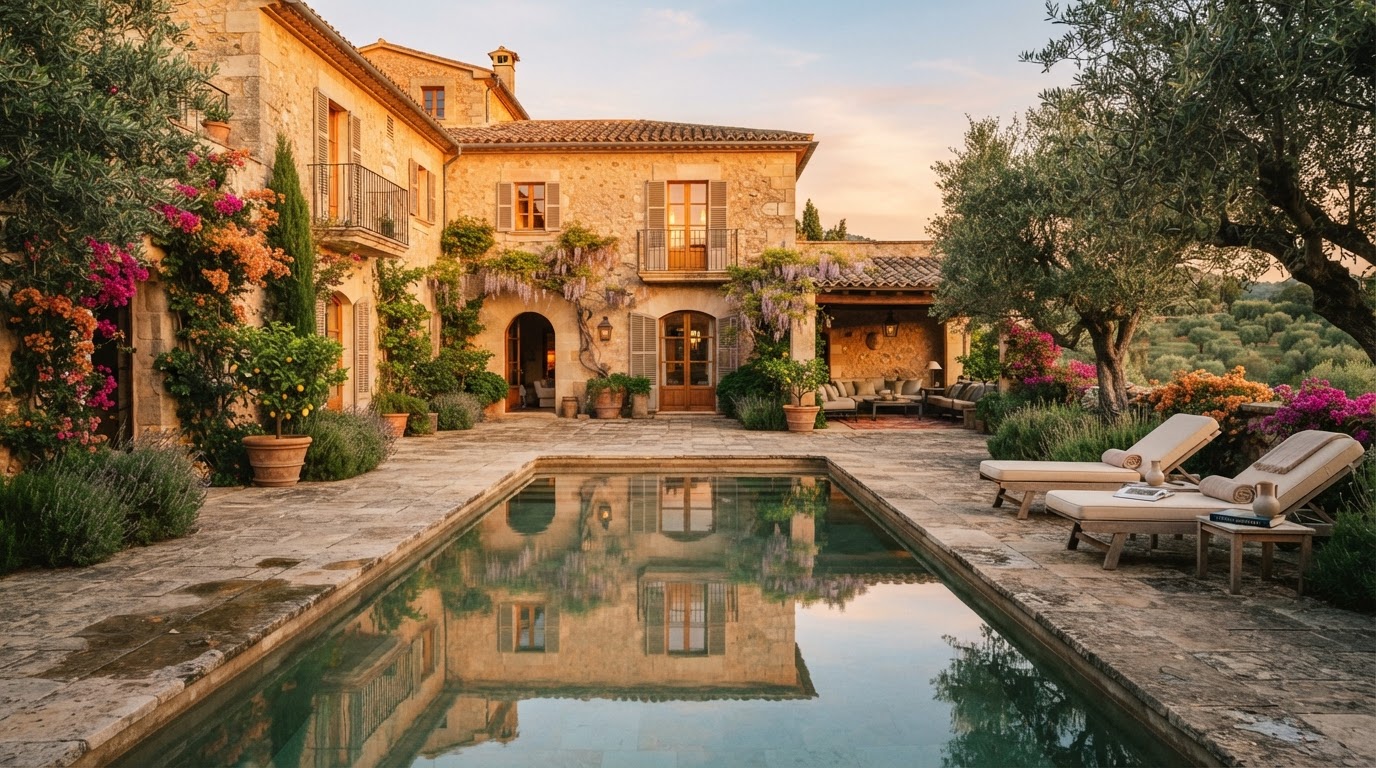
Open any boutique hotel's website and you'll find the same paragraph. Infinity pool. Mountain views. Farm-to-table dining. Spa with locally sourced products. It is all true, and it is all forgettable — because the traveler reading it has already seen the same paragraph on the last six websites they visited. A beautiful pool is a feature. It is not a brand story.
The boutique hotels that fill their calendars year after year — the ones guests return to, write about, and drag their friends to — understand the difference. They don't compete on amenities, because amenities are a commodity. They compete on something no neighboring property can copy: the specific, true story of why this place exists.
Amenities are copied. Stories are not.
Here's the uncomfortable truth about hotel marketing in 2026: a traveler can scroll through a thousand turquoise pools on their phone in a single afternoon. The pool does not differentiate you. Neither does the view, the breakfast, or the thread count. These are table stakes — the cost of being in the category at all. The moment you lead with them, you've told the traveler you are interchangeable with every other property that has them.
A story is different. The story of why the founder bought this particular ruined farmhouse and spent seven years restoring it by hand. The story of the olive grove that supplies the oil at breakfast — and the grandmother who still presses it. The story of the name, the room, the dish a guest can only eat here. These details cannot be copied because they are true, and truth is the only thing a competitor cannot manufacture.
"Travelers book amenities to fill a night. They book stories to fill a memory. The boutique hotels that last are the ones that know the difference — and never let a pool do the work a story should."
— Well TRVL'd Editorial Team, after a decade of hotel editorial features
Where a brand story actually lives
A brand story is not a paragraph on the "About" page that no one reads. It lives in the welcome note the guest finds on the nightstand. It lives in the menu, where the provenance of the honey is as visible as the price. It lives in the website copy, which should read like a place with a point of view, not a list of room categories. And it lives in the editorial coverage the hotel earns — the magazine feature that tells the story to a reader who has never heard of the property, and books because the story moved them.
The hotels that do this well make the story unavoidable. The founder's name is on the wall. The local artisan who built the beds is named in the room guide. The view is framed not as "mountain view" but as the same ridge the founder painted as a child. None of this costs more than a generic amenity list — it simply requires the conviction that the story matters more than the square footage.
The amenity list vs. the brand story
| Element | Amenity list (forgettable) | Brand story (memorable) |
|---|---|---|
| What it leads with | Pool, view, spa, breakfast | Why this place exists |
| Can it be copied? | Yes — every property has them | No — it's true and specific |
| Where it lives | The amenities page | Every touchpoint, every guest moment |
| What it asks of the guest | "Book a night" | "Be part of this story" |
| Result | One stay, forgotten by checkout | Repeat visits, referrals, editorial |
How boutique hotels get featured (and why it matters)
Editorial coverage is where a brand story earns its keep. A magazine feature doesn't sell rooms the way a paid ad pretends to — it tells the story to a reader who was never looking for a hotel, and moves them to book because the story resonated. That's why the boutique hotels that earn the best coverage lead with narrative, not rate: they send an editor a story worth telling, with editorial photography that captures it, and let the story do the selling.
This is the same principle that powers the advisor side of our ecosystem — the advisors who win are the ones who tell a story, not the ones who quote a price. A boutique hotel that understands its own story gives every advisor in the network something to sell that a booking engine cannot.
The pool is the hook. The story is the brand.
None of this means a boutique hotel should hide its pool. A beautiful pool is still a reason to look twice — a hook that earns the traveler's attention for the three seconds before they scroll. But a hook is not a brand. The story is what holds that attention, turns it into a booking, and turns the booking into a guest who comes back and brings a friend. If you want to see how that story reaches the readers who matter, start with how boutique hotels partner with Well TRVL'd — and for the advisor's side of the same equation, read how the follow-up turns one booking into a lasting relationship.
Last updated: August 11, 2026. This article is reviewed regularly to keep boutique-hotel brand strategy and editorial practices current.
Read more from Well TRVL'd: what a travel advisor does · the follow-up is the trip · partner with us