Luxury Travel in 2026The Best Splurge May Be What You Do Together
At a Glance
- The shift: Luxury travel in 2026 is moving from acquisition to access — from collecting five-star properties to collecting rare, unrepeatable hours
- The best splurge: Not a bigger suite — the shared experience the whole traveling party does together and remembers together
- Why it works: A larger room is forgotten by checkout; a private sunset sail with your family is retold for decades. Shared experiences become part of the relationship, not just the trip
- The rule of thumb: Splurge on what becomes a story; save on what only you will notice
- The advisor's role: The best splurges are access-driven, not price-driven — and access is exactly what a travel advisor sources that a booking platform cannot
For most of the last decade, luxury travel answered the question "what did you spend?" with a room category. The suite with the private pool, the overwater villa, the butler — these were the splurges that signaled a trip had been done properly. In 2026, that answer is quietly inverting. The travelers having the most memorable year aren't the ones in the largest suites. They're the ones who spent on something the suite can't contain: an experience, shared, that becomes a story the whole party tells for years.
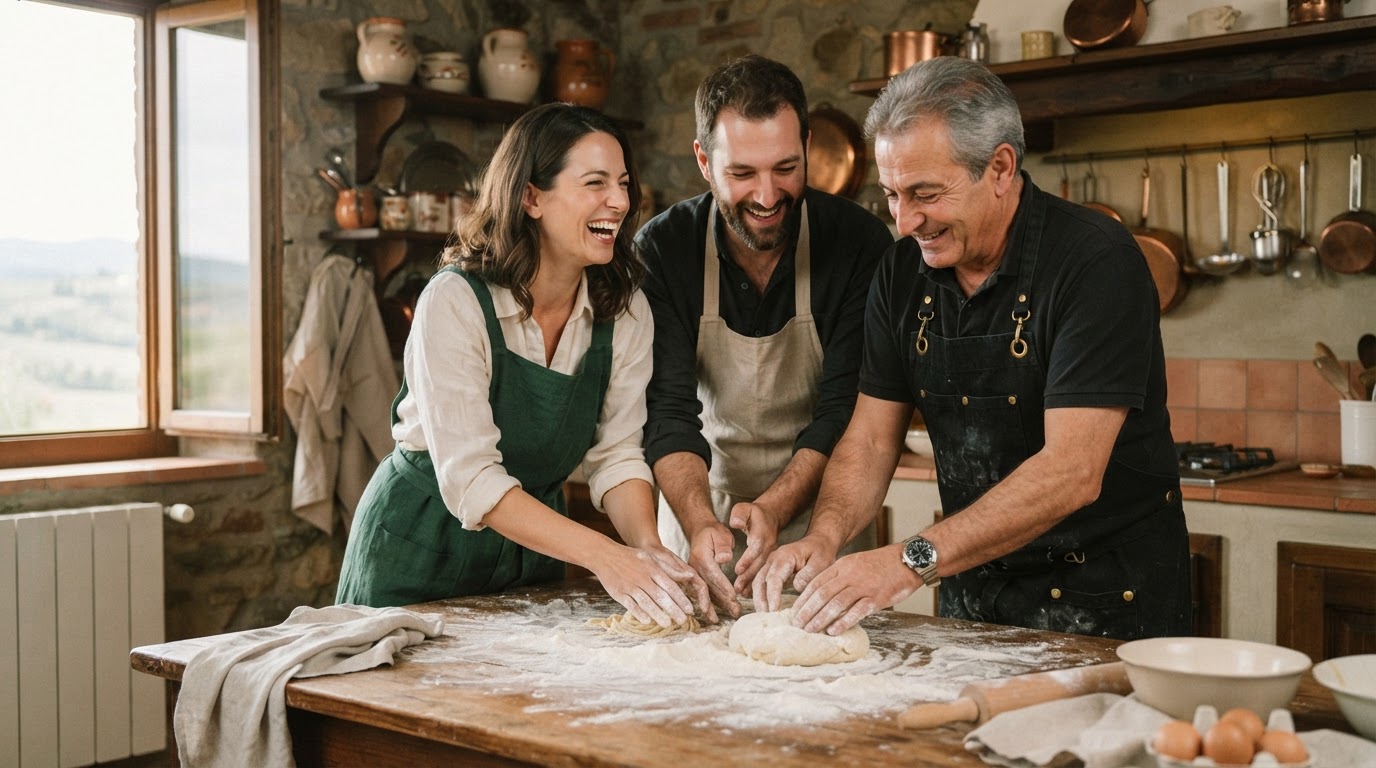
This isn't a moral argument against nice rooms. It's an observation about what actually lasts. A marginally better room is forgotten by checkout. A private cooking class in a Tuscan farmhouse, a sunrise balloon over the Serengeti, a guided walk through a village with the family that still lives there — these are the splurges that convert money into memory. And in 2026, memory is the currency affluent travelers are most willing to buy.
From acquisition to access
The cleanest way to describe the shift is this: luxury travel is moving from acquisition to access. Acquisition is the purchase of a thing — a bigger room, a better transfer, a more expensive bottle. Access is the purchase of an entry — the after-hours hour in the museum, the dinner with the chef, the guide who is actually from the village. For most of the 2010s, the first kind of splurge was easier to show and easier to buy, so it became the default. In 2026, the second kind is easier to remember, so it is becoming the point.
Access-driven splurges have a property that acquisition-driven ones don't: they compound when shared. A better mattress benefits one person. A private dinner in a vineyard benefits the whole table, and then benefits the table again every time someone retells the story. The return on the spend isn't measured in thread count; it's measured in how often the evening comes back up in conversation for the next decade. That's why the best splurge in 2026 is so often what you do together.
"The defining luxury in 2026 isn't the room — it's the hour with the person who opens the door to a place you couldn't have entered alone. The travelers spending best are the ones spending on the story the whole party will tell, not the suite only one of them will notice."
— Well TRVL'd Editorial Team, after a decade of luxury-travel editorial features
Why the shared experience outperforms the material splurge
There's a reason this isn't just a trend but a structural preference, and it's the same reason behavioral research on spending keeps arriving at the same conclusion: experiences produce more lasting happiness than things, and shared experiences produce more than solitary ones. The material splurge depreciates the moment it's consumed — the suite is the same suite the next morning, and you are the only witness that you were in it. The shared experience appreciates: it becomes a piece of the relationship, referenced and re-lived every time the group is together.
This is why the most discerning 2026 travelers are quietly rebalancing their budgets. They still want the good hotel — comfort is not the enemy of meaning — but they are moving the marginal dollar from the room category to the experience line. The suite with the view stays; the private guide who turns the view into a story gets the upgrade. The splurge is reallocated, not abandoned.
Acquisition splurge vs. access splurge
| Element | Acquisition splurge (fades) | Access splurge (lasts) |
|---|---|---|
| What you buy | A better room, transfer, or bottle | A rare, unrepeatable hour |
| Who notices | Mostly you | The whole traveling party |
| How long it lasts | Forgotten by checkout | Retold for years |
| How it's booked | A consumer platform, by category | A travel advisor, by relationship |
| What it becomes | A line item | A piece of the relationship |
How to decide what to splurge on
The practical question for any 2026 trip is not "how much should I spend?" but "which spend becomes a story?" The rule of thumb that falls out of the access-over-acquisition shift is simple: splurge on what becomes a shared story, save on what only you will notice. The private guide who walks your family through a village and introduces you to the family that lives there — that's a story. The marginally better room on a marginally higher floor — that's a line item. The after-hours dinner in the vineyard — a story. The upgraded airport transfer — a line item. The distinction is not about cost; it's about whether the spend converts into memory the group carries forward.
This is also where the conversation connects back to the advisor relationship we describe in what a travel advisor actually does. The best splurges of 2026 are access-driven, and access is not a category on a booking platform. The private dinner, the closed-to-the-public hour, the guide who is from the village — these exist because someone has a relationship with the person who opens the door. A travel advisor is the person who holds those relationships, sequences the splurges into the days they'll be remembered, and makes sure the experience lands on the evening it can breathe rather than the afternoon it will be rushed. For families traveling across generations, the same logic that makes the multigenerational trip work — one shared anchor a day — is what makes the access splurge land.
The splurge worth making is the one you'll still be telling
The travelers who look back on 2026 most fondly won't be the ones who spent the most. They'll be the ones who spent on the right thing — the shared experience that became a story, the access that became a memory, the hour that became a piece of the relationship. The suite is forgotten. The sunset sail with the people you love is not. Spend on the story, and the trip becomes the thing you do together, not just the place you went together. That's the splurge worth making in 2026 — and it's the one a good travel advisor knows how to find before you knew to ask for it.
Last updated: August 22, 2026. This article is reviewed regularly to keep 2026 luxury-travel trends and splurge strategy current.
Read more from Well TRVL'd: what a travel advisor actually does · the multigenerational trip · find a travel advisor